

What is specialty coffee? Definition and criteria
TL;DR
Specialty coffee refers to coffees rated 80 points or higher on the SCA scale. This represents less than 5% of global production. The value chain is traced from producer to roaster: variety, terroir, altitude, post-harvest processing method: each step contributes to the final profile.
Specialty coffee is Arabica coffee that has obtained a tasting score of 80 points or more out of 100 according to the Specialty Coffee Association (SCA) protocol. This scoring evaluates aroma, flavor, acidity, body, balance, sweetness, and absence of defects. This is the official and universal definition used in the global quality coffee industry.
Specialty Coffee Criteria
To be classified as specialty coffee, a coffee must meet several cumulative conditions. First, it must be produced from Arabica varieties, grown in high-altitude and climatic conditions favorable to the slow maturation of the cherries. Then, harvesting must be manual and selective: only perfectly ripe cherries are picked.
Post-harvest processing (washed, natural, honey) must be carried out carefully to preserve the aromas. Finally, roasting must be adapted to the characteristics of the bean: a poorly roasted specialty coffee loses all its value. This is why at Jockos Coffee, we roast to order, from our selection of coffee beans.
Specialty Coffee vs. Commercial Coffee: The Concrete Differences
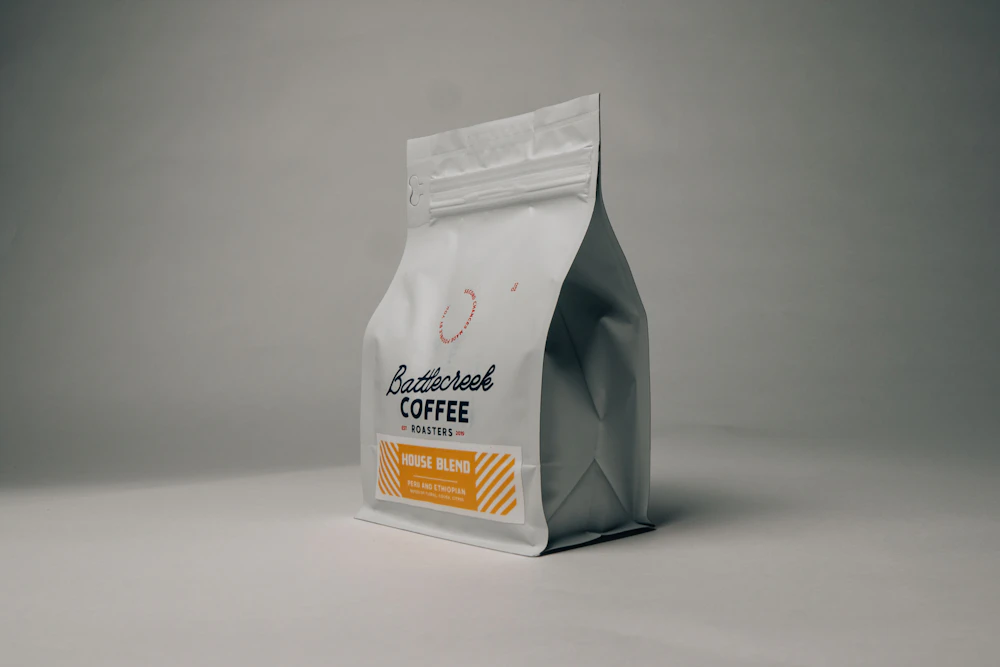
Commercial coffee (known as "commodity coffee") is purchased on international markets at a fixed price, blended from various origins, and intensively roasted to mask defects. It often contains Robusta (more bitter, stronger in caffeine, less aromatic) and defective beans accepted under commercial standards.
Specialty coffee, on the other hand, is traceable down to the farm or producer. Each bag corresponds to a precise origin, a documented processing method, and a dated harvest. This traceability is not a marketing argument: it is the condition for guaranteeing consistency and quality in the cup.
Why is Specialty Coffee More Expensive?
The higher cost of specialty coffee is explained by several factors: selective manual harvesting (much slower than mechanical harvesting), more careful processing, greater volume loss during sorting, and a higher price paid to the producer than the market price. This price reflects the true quality of the work carried out from the coffee plant to your cup.
At Jockos Coffee, an artisan micro-roaster in Vendin-le-Vieil, we only select coffees of this quality level, from origins we know and that fairly remunerate producers.
Sources
[1] Specialty Coffee Association: Definition and cupping protocols. sca.coffee [2] International Coffee Organization: Existing definitions of specialty coffee, 2024. ico.org [3] World Coffee Research: Coffee Variety Catalog. varieties.worldcoffeeresearch.org
Theory done. Now to taste.